Degree of Polymerization
Degree of Polymerization
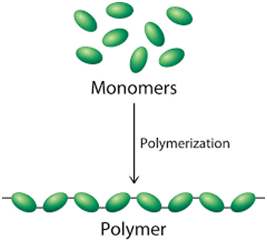
The degree of polymerization, or DP, is the number of monomeric units in a macromolecule or polymer or oligomer molecule
The type of polymer according to type of monome
For a homopolymer, there is only one type of monomeric unit and the number-average degree of polymerization is given by , where Mn is the number-average molecular weight and M0 is the molecular weight of the monomer unit Some authors, however, define DP as the number of repeat units, where for copolymers the repeat unit may not be identical to the monomeric unit and the repeat unit contains the two monomeric unit.
Natural and Synthetic Polymers
There are two types of polymers: synthetic and natural. Synthetic polymers are derived from petroleum oil, and made by scientists and engineers. Examples of synthetic polymers include nylon, polyethylene, polyester, Teflon, and epoxy. Natural polymers occur in nature and can be extracted. They are often water-based. Examples of naturally occurring polymers are silk, wool, DNA, cellulose and proteins.
Thermoplastic and Thermosetting Plastic
Thermoplastics and thermosetting plastics are two separate classes of polymers, which are differentiated based on their behavior in the presence of heat. The material difference between the two is that thermoplastics can be remelted, while As a result of these physical qualities, thermoplastic materials have low melting points while thermoset plastic products can withstand high temperatures without losing austerity.
Thermoplastics Curing Process
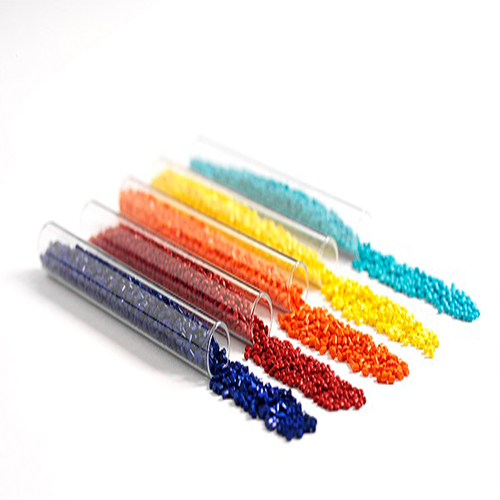
Thermoplastics pellets soften when heated and become more fluid as more heat is administered. The curing process is 100% reversible as no chemical bonding takes place. This characteristic allows thermoplastics to be remolded and recycled without negatively affecting the material’s physical properties. There are a variety of thermoplastic resins that offer various performance benefits, but the majority of materials commonly offer high strength, shrink-resistance and easy flexibility. Depending on the resin, thermoplastics can serve low-stress applications such as plastic bags or high-stress mechanical parts. Examples of thermoplastic polymers include polyethylene, PVC, and nylon.
Thermoset Curing Process (Thermosetting Plastic)
Thermoset plastics, typically processed by reaction injection molding, contain polymers that combine together during the curing process to form a permanent chemical bond. This process forms weak bonds between the monomer chains within these materials and eliminates the risk of the product remelting when heat is applied, making thermosets ideal for high-heat applications like appliances and electronics. Thermoset plastics greatly improve the material’s mechanical properties, providing enhanced chemical resistance, heat resistance and structural integrity. Thermoset plastics are frequently used for sealed products due to their resistance to deformation and are also among some of the most impact resistant plastics available. Examples of thermoset plastic polymers include epoxies, phenolics, silicones, and polyesters.